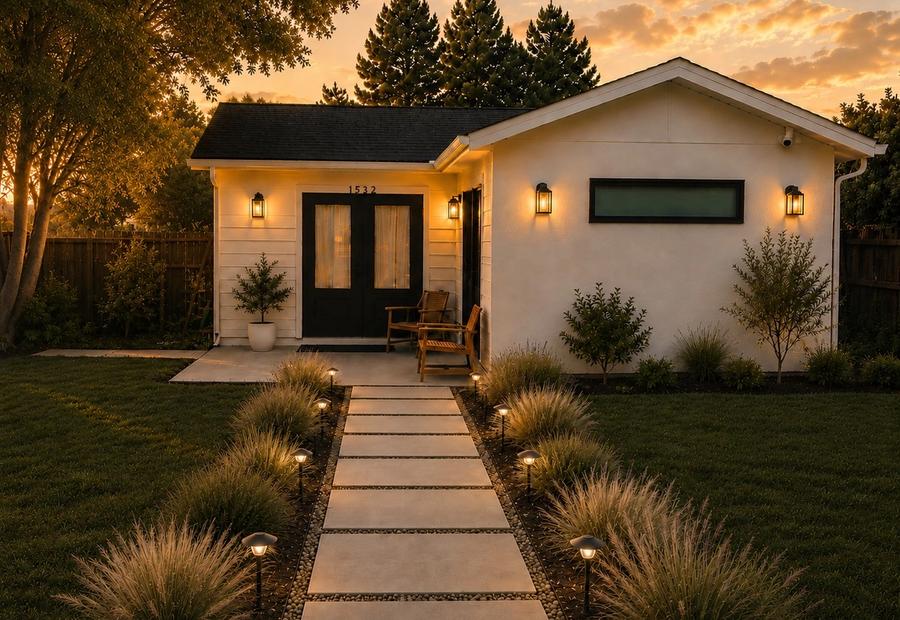
If you've driven through almost any neighborhood lately and noticed a crisp little second home rising in a backyard, you've seen the quiet revolution in residential real estate. Accessory dwelling units — ADUs — have gone from a niche permitting headache to one of the most sought-after upgrades a homeowner can make. But the term still confuses people, so let's start at the beginning.
So what is an ADU, exactly?
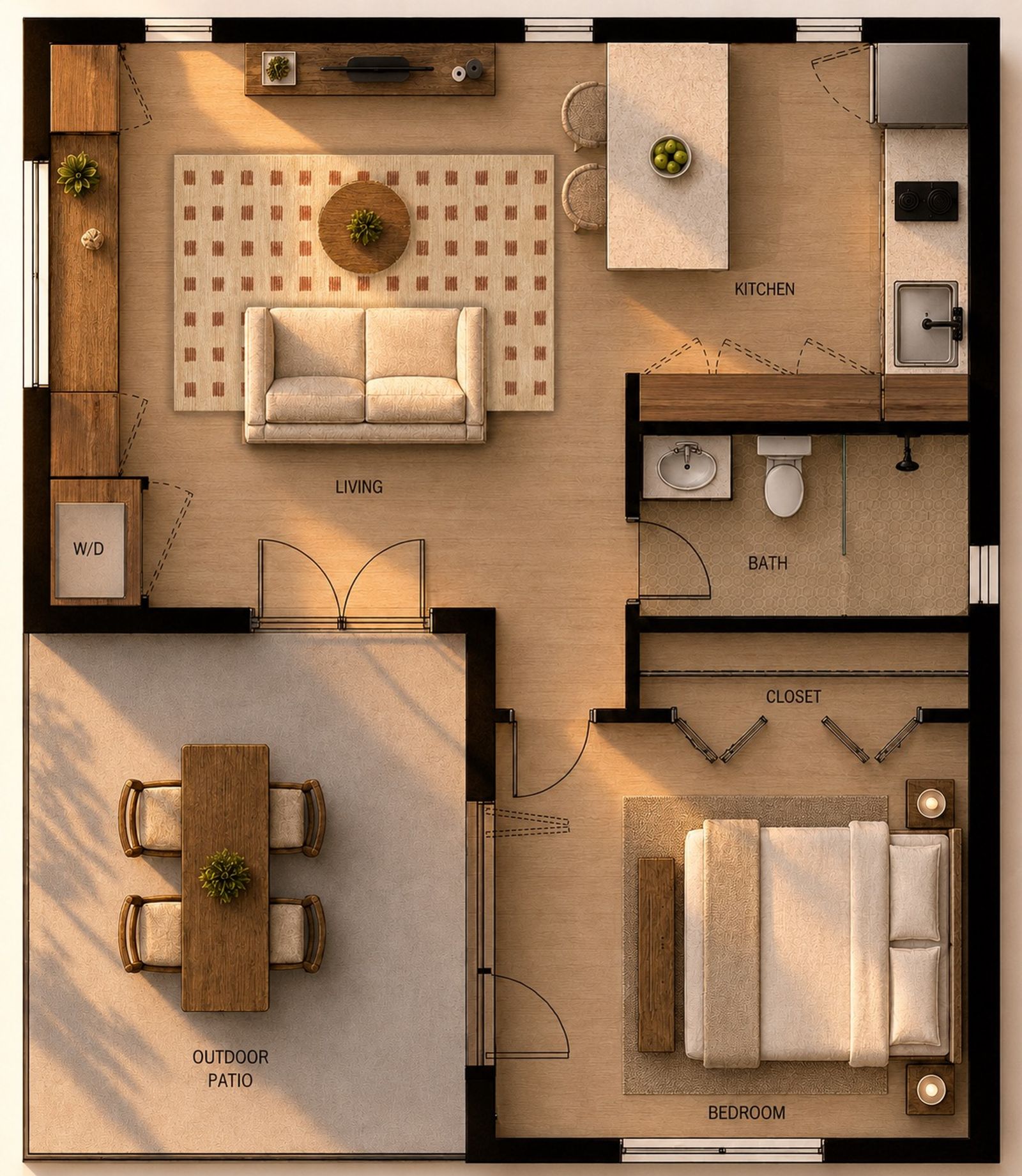
An accessory dwelling unit is a complete, independent home that sits on the same lot as a primary residence. "Complete" is the operative word: an ADU has its own kitchen, its own bathroom, its own entrance, and its own place to sleep. It is a real home in miniature, not a converted bonus room or a glorified shed. That self-sufficiency is exactly what separates an ADU from a guest suite or a home office.
You'll hear ADUs called a lot of things — granny flats, in-law units, backyard cottages, casitas, secondary suites. They all describe the same underlying idea: a second dwelling that shares the land with the main house.
The three forms an ADU usually takes
Most ADUs fall into one of three categories, and which one fits your property depends on your lot, your budget, and what you want the space to do.
- Detached ADU — a free-standing structure in the backyard, fully separate from the main house. This is the classic backyard cottage and usually offers the most privacy and the highest rental appeal.
- Attached ADU — a new unit built onto the existing home, sharing a wall but with its own entrance. A good fit for lots where space is tight.
- Conversion ADU — an existing garage, basement, or portion of the house reimagined as an independent unit. Often the most affordable path because the shell already exists.
There's also a smaller sibling worth knowing: the JADU, or junior accessory dwelling unit. A JADU is carved out of the existing home's walls — typically capped around 500 square feet — and can share a bath with the main house. It's a lighter-weight way to add a unit when a full ADU isn't practical.
Why demand keeps climbing
ADUs sit at the intersection of three pressures that aren't going away: a housing shortage, expensive mortgages, and families that want flexibility. A single small building can answer all three at once.
- Income. A well-placed rental unit can offset a meaningful chunk of your monthly mortgage — sometimes covering it entirely.
- Family. Aging parents, adult kids, or a live-in caregiver get independence and proximity at the same time.
- Flexibility. The same building can be a rental this decade, a home office the next, and a place for family after that.
- Value. A thoughtfully designed second dwelling adds lasting, appraisable value to your property.
The regulatory tailwind
Over the past several years, California and a growing list of other states have rewritten the rules specifically to make ADUs easier to build — shortening approval timelines, limiting the fees cities can charge, and removing many off-street parking requirements. The legal friction that used to kill these projects has been dramatically reduced.
Where design makes or breaks it
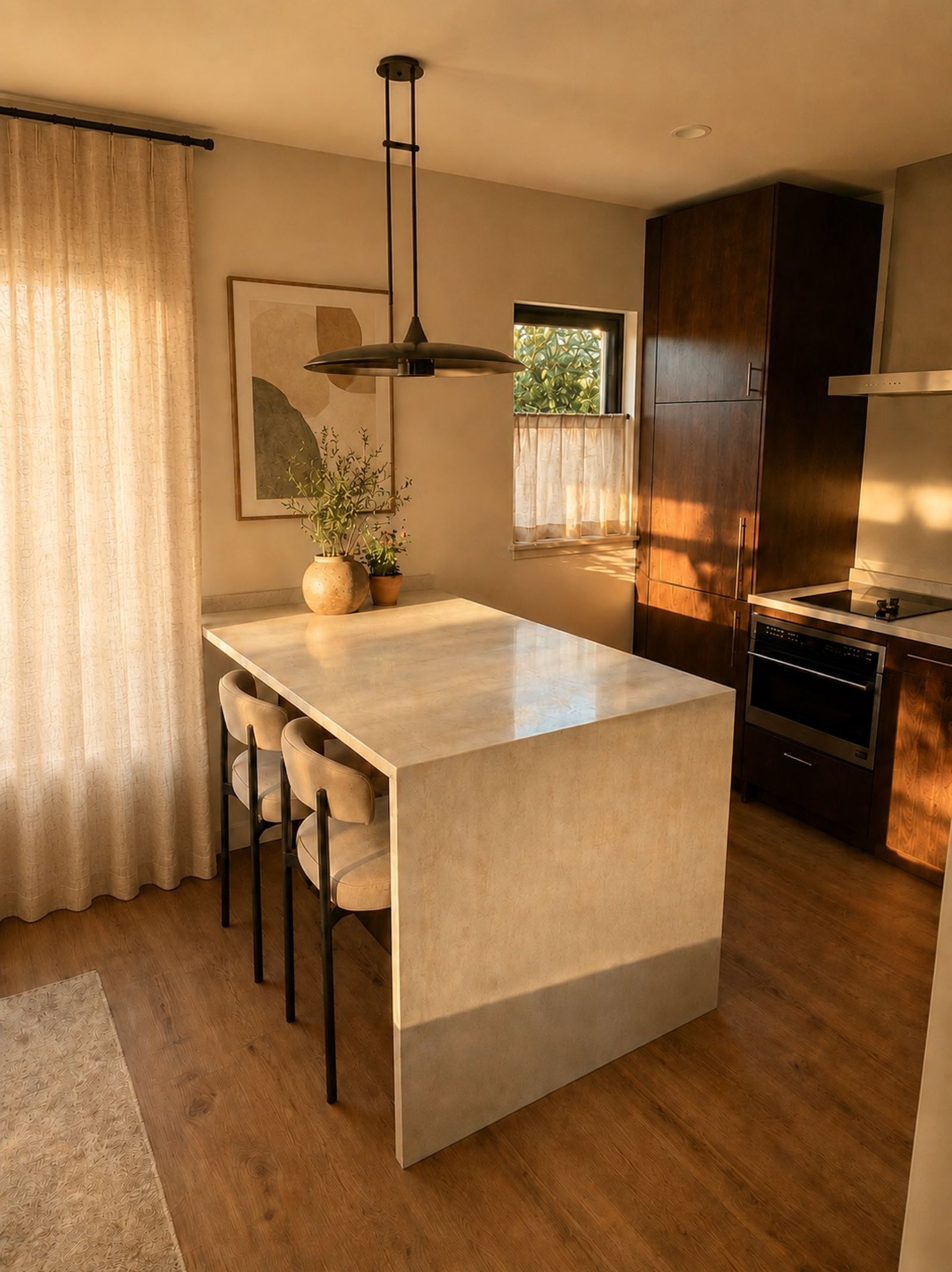
Here's the part most homeowners underestimate: an ADU is small, which means every decision is amplified. A poorly planned 500-square-foot unit feels cramped and rents at a discount. A well-planned one of the exact same size feels like a calm, light-filled home — and commands a premium. Ceiling height, where the light lands, how the kitchen flows into the living space, where you put storage: at this scale, those choices are the difference between an afterthought and a home.
That's the whole reason we design ADUs the way we design houses. Square footage is just the container. How it lives is what matters.
Most ADUs feel like afterthoughts. They don't have to. A small building, designed with intention, can be the best room on the property.
In the next few posts we'll get concrete: what an ADU actually costs to build, whether the numbers pencil out as an investment, and exactly what the process looks like from first sketch to final permit. If you're weighing an ADU for your own lot, those are the questions that matter — and they all have real answers.