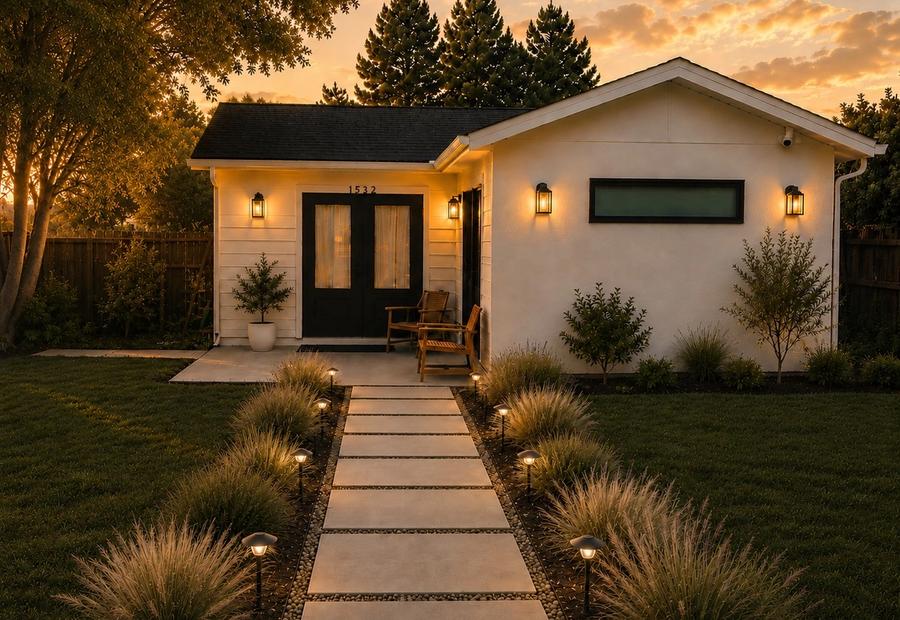
"What will it cost?" is the question every Orlando homeowner asks first, and the vague answer — "it depends" — helps no one. So let's make it useful. ADU costs in Central Florida depend on a knowable set of things, several of them specific to building in Florida. Once you understand them, the number stops feeling like a mystery and starts feeling like a budget you can plan around.
Read these as a frame, not a quote
Every figure below is a Central Florida market estimate meant to show how the pieces fit together. Real costs swing with your lot, your finishes, your jurisdiction's fees, and the month you build. Treat this as a way to think — then get a real number from a feasibility review.
The headline range
In Orlando and Central Florida, ADU construction commonly runs somewhere between $120 and $400 per square foot, with most new detached units landing in the middle of that band once you account for site work and Florida's hurricane-rated building requirements. Translated into whole projects, the ranges tend to look like this:
Illustrative all-in ADU cost ranges in Central Florida
| ADU type | Typical size | Ballpark all-in cost |
|---|---|---|
| Garage conversion | 400–600 ft² | $75k–$150k |
| Attached in-law suite | 500–750 ft² | $100k–$200k |
| Detached new build | 600–900 ft² | $150k–$300k |
| Detached, premium finishes | 900–1,200 ft² | $300k–$400k+ |
Garage conversions sit at the bottom because the slab, walls, and roof already exist. A new detached unit costs more — and gives you the most design freedom, the most privacy, and usually the strongest rental appeal.
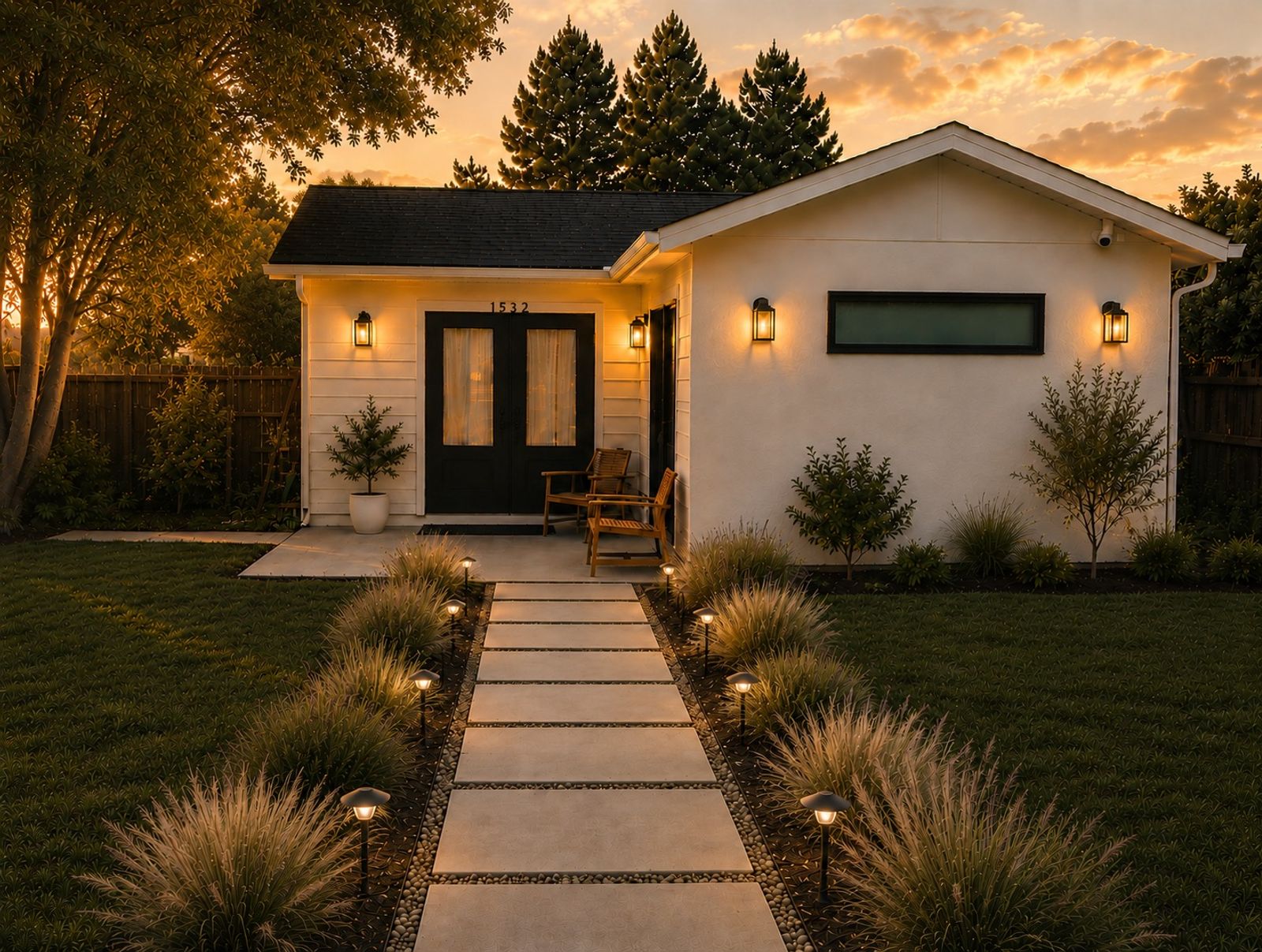
What design costs — and why it's worth it
Design and permit drawings are a distinct line item from construction, and in Central Florida professional design services typically run in the low-to-mid four figures and up, depending on the complexity of your lot and how custom the unit is. Remember that Florida requires permit plans drawn by a licensed engineer or architect — so this isn't an optional nicety, it's the document that makes your project legal to build. Good design also quietly pays for itself: an efficient plan gets more usable home out of fewer square feet, and at $120–$400 a foot, every foot you don't waste is real money saved.
The local line items that catch people out
Some of the biggest swing factors in an Orlando budget aren't in the construction quote at all. Budget for these from the start:
- Impact and permit fees — Central Florida jurisdictions charge impact fees, plan review, and inspection fees that can add up to a meaningful chunk before a wall goes up.
- Hurricane-rated construction — impact-rated windows and doors, stronger connections, and code-required wind resistance are non-negotiable here and add cost a builder in a milder climate wouldn't carry.
- Utility connections — how far the ADU sits from existing sewer, water, and electrical service is a hidden swing factor; a unit at the back of a deep lot may need long runs or a panel upgrade.
- Site and foundation work — Central Florida's sandy soils, drainage, and the occasional need for fill can move the foundation number more than people expect.
- Contingency — plan for 10–20% you hope not to spend. Projects that skip this are the ones that stall.
A budget you trust beats a budget that's low
The cheapest-looking estimate is rarely the cheapest project. A realistic Orlando budget with a real contingency is what carries you to the finish line without a painful mid-build conversation. We'd rather show you an honest number early than a hopeful one you discover is wrong at framing.
Does the incentive change the math?
It can. Orlando's 2026 move to offer homeowners up to $10,000 toward building rentable ADUs won't cover a project on its own, but it meaningfully softens the upfront cost for owners who plan to rent — and it's a signal that the city wants these units built. If income is part of your goal, factor any current incentive into your numbers before you start.
How to get your real number
The fastest way from a vague range to a number you can plan around is a feasibility review: a look at your lot, your zoning, your utility locations, your jurisdiction's fees, and your goals. That's what turns "somewhere between $150k and $300k" into "here's what your project costs in your backyard, and here's why." From there, the interesting question becomes whether it pays for itself — and in a rental market like Orlando's, it often does.
Square footage is just the container. In Orlando, where every foot is hurricane-rated and permit-reviewed, designing the unit well is the cheapest way to make it cost less.